Founded in 2006
Our Board of Directors is led by and for grassroots Indigenous Peoples. It brings together ancestral knowledge holders, thought leaders, subsistence harvesters (hunters, fishers, gatherers, farmers), change-makers, artists, and land defenders. We work within a fluid, decentralized organizational structure and our scope and scale is defined by Indigenous language, culture and geographies.
We also engage with non-Indigenous friends and allies who demonstrate a commitment and ability to work in solidarity with Indigenous women in leadership, and are willing to realize themselves more fully in the process of dismantling white supremacy in the land and food system.
Board Directors
We speak on behalf of the non-human relations in the natural world, the land, water, people, plants and animals that provide us with our food. We observe cultural and spiritual protocols to enact, activate and provide strategic direction to create the key conditions necessary to achieve Indigenous food sovereignty.
Dr. Billy Cohen (cniɬc)
ax̌aʔ l kʷu syilx itmxʷu̓laxʷtət, istəɬtaɬtət, lut pnkin tə x̌ʷickmntm km tə tumi̓stmntm. məɬ kl ts x̌ʷuys, l̓a kin ts sx̌əlx̌a̓lt (this is our syilx life place, our laws/responsible life-ways have never been given away or sold. these ways are forever, til the end of days)
Bill is from the Okanagan Nation with extensive kinship ties throughout BC and Washington. He specializes in the areas of Indigenous knowledge, research, education, and transforming pedagogy. For over twenty-five years, he has engaged in community-driven, transforming projects, as parent, volunteer, advisor, facilitator, and director. He is an educator, artist, story-teller and author.

cniɬc
Dr. Billy Cohen
Dr. Billy Cohen
Syilx Okanagan Artist and Educator, UBC Okanagan School of Education
Nitanis Desjarlais (waakiitusis)
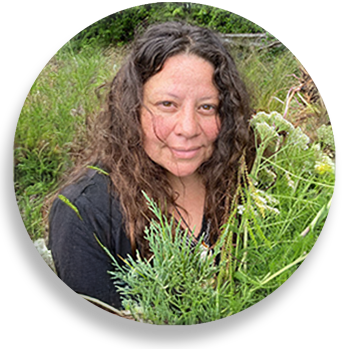
waakiitusis (Nitanis Desjarlais) is a Northern Cree (Fort McMurray First Nation) woman who was adopted and raised Tsimshian and Gitsan on the northwest coast in the Prince Rupert AKA ``City of Rainbows``. Now residing in Ahousaht territory, she is a dedicated community developer, focusing on food sovereignty, cultural revitalization, and holistic wellness.
With extensive firsthand experience living off the land, Nitanis is deeply engaged in traditional food systems, wild harvesting, and food preservation. She works actively to revitalize ancestral knowledge by leading initiatives that reconnect people with traditional foods, sustainable harvesting practices, and Indigenous food security. Her work ensures that traditional skills and teachings are passed down within the community.
waakiitusis
Nitanis Desjarlais
Nitanis Desjarlais
Indigenous Food Sovereignty Advocate & Founder of Shape Shyphter Studios
Sabina Dennis
Dakelh, Language and Culture Teacher, Grassroots Land Defender
Kim Haxton
Kim is from the Wasauksing First Nation in Ontario. She has worked across Turtle Island and abroad in various capacities but always with a focus on local leadership. Her primary tools are based in ceremony and plant medicine.
Her deep understanding of the need for genuine restoration has far-reaching implications as leaders seek vision and all people seek direction to address the mounting pressure of a system incongruous with the values of the natural world. Kim has developed and facilitated programs in more than 8 countries, and has been working in land-based education and leadership for the past 30 years, including as co-founder of Indigeneyez.

Kim Haxton
Potawatomi, Facilitator, Sacred Circle Advisor
Meeka Morgan M.A.**
Meeka Morgan is of Secwepemc and Nuu-Chah-Nulth heritage. She is an accomplished Artistic Director, musician, curator, and creative producer.
Raised among orators and storytellers from both sides of her rich lineage, as well as within a vibrant community of land defenders, activators, artists, and musicians, Meeka developed a deep appreciation for the transformative power of stories, music, and creativity.

Meeka Morgan
Artistic Director, Musician, Curator, and Creative Producer.
Sharon Niscak
Sharon’s passion for food security began early through gathering, gardening, and preserving food. Her focus on nutrient-rich, local whole foods—especially Indigenous foods of the Americas—led her to explore lactose- and gluten-free diets and develop recipes rooted in traditional ingredients. She has also carried out curatorial work on First Nations food procurement, trade, production, and land-based practices that sustain food security. Her research, which traces the shift from resilient food systems to those strained by agribusiness, produced three publications and numerous community workshops and displays.
Sharon’s community leadership includes serving as president of Upper Island Women of Native Ancestry (UIWONA) and contributing to Planning for Plenty I & II, the Comox Valley Sustainability Network, the Aboriginal Education Council, and the LUSH Valley Board. She organized Seedy Saturday events, developed food education programs, and created seed-saving workshops. She is a charter member of both the Indigenous Women’s Sharing Society and the Indigenous Food Network.

Sharon Niscak
Secwepemc & Early settler, Cultural Conservator, Environmental Research
Ananda Lee Tan
Ananda Lee Tan has been organizing grassroots movements since 1986 – building coalitions, networks and alliances for land defence, environmental justice, worker rights, energy democracy, food sovereignty, zero waste, community self-determination and climate justice around the world.
Over the last fifteen years, Ananda served the Global Alliance for Incinerator Alternatives, and co-convened the Climate Justice Alliance, a network of frontline communities organizing a Just Transition away from the global, colonial extractive economy.
He also co-coordinated the international People’s Climate March in 2014, and the Building Equity and Alignment for Impact, an initiative aimed at shifting philanthropic resources and centering the leadership of Black, Brown and Indigenous communities on the frontlines of ecological crises.
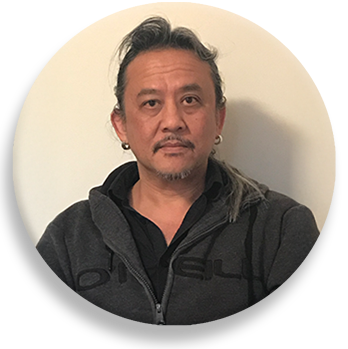
Ananda Lee Tan
Bengali/Dao,
Shaping Change Collaborative
Cease Wyss
T’uy’t’tanat Cease Wyss (Skwxwu7mesh, Sto:lo, Hawaiian, Swiss) is an educator, interdisciplinary artist and Indigenous ethnobotanist engaged in community based teaching and sharing. Throughout Wyss’s 30 year practice, Wyss’s work encompasses storytelling and collaborative initiatives through their knowledge and restoration of Indigenous plants and natural spaces.
Wyss has been recognized for exchanging traditional knowledge in remediating our relationship to land through digital media, site-specific engagements and weaving.

T’uy’t’tanat
Cease Wyss
Cease Wyss
Indigenous Matriarch of the Skwxwu7mesh, Sto:lo and Hawaiian people.
Molly Wickham (Sleydo)
Spokesperson for the Gidimt’en check-point on Wet’suwet’en territory. She holds the name in Cas Yikh (grizzly house) and has been living on and occupying the territory since 2014 with her children.
Gidimt’en check-point has been an Indigenous reoccupation site since 2018 which has been raided three times by militarized RCMP, once on January 7th 2019, on February 5th, 2020, and again on November 18th and 19th 2021, as a result of grassroots resistance to the Coastal Gaslink pipeline project which would bring fracked gas from northeastern B.C to an LNG terminal near Kitimat.
Sleydo’ has a masters degree in Indigenous Governance from the University of Victoria and is heavily involved in the Wet’suwet’en clan governance system.

Sleydo
Molly Wickham
Molly Wickham
Wing Chief in Cas Yikh (Grizzly Bear House) Gidimt’en Clan of the Wet’suwet’en Nation
Tiffany Traverse
Tiffany (she/they) is a Secwépemc (Kenpesq't)/séme7 land and seed steward, language learner, Indigenous researcher, and food sovereignty advocate. Her passion for feeding people and firm belief in the right to healthy, culturally-appropriate foods for all drives her work. Tiffany has served as a volunteer Advisory Council member with the Community Seed Network, former Member at Large and Chair for SeedChange and former Board Member at Regeneration Canada. Currently, she sits on the Board of Directors of the Canadian Mountain Network, as well as their Research Management Committee. She is a Council member (Mountain Forests Biome), for Indigenous Climate Action’s Indigenous-led decolonizing climate policy Advisory Council, and is now part of their National Steering Committee. She is also an active participant in the newly-formed National Native Seed Strategy organized by the Canadian Wildlife Federation, where she advocates for Indigenous seed and data sovereignty, particularly in disturbed areas due to climate-fueled wildfires.
In some of her former emergency management ‘day jobs’, Tiffany engaged with stakeholders, partners, and rural residents to help present education around wildfire prevention, mitigation and cultural burning, as well as encourage autonomy for land stewardship within Indigenous communities. Her hope is to continue being a ‘Weaver’, advocating to create better access to resources and increase our collective seed and food security and sovereignty and preparedness in the face of climate chaos.
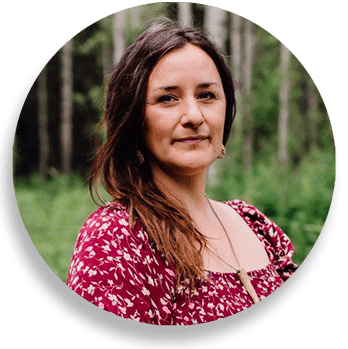
Tiffany Traverse
Secwépemc (Kenpesq't)/séme7
Land and Seed Steward
Staff
Dawn Morrison
Dawn is of Secwepemc ancestry and is the Founder/Curator of the Working Group on Indigenous Food Sovereignty. Since 1983 Dawn has worked and studied horticulture, ethno-botany, adult education, and restoration of natural systems in formal institutions, as well as through her own healing and learning journey with Elders and traditional knowledge holders. Following the time spent teaching Aboriginal Adult Basic Education, Dawn has been dedicating her time and energy to land based healing and learning which led her to her life's work of realizing herself more fully as a developing spirit aligned leader in the Indigenous food sovereignty movement.
Dawn has consistently organized and held the space over the last 18 years for mobilizing knowledge and networks that have been foundational for decolonizing food systems in community, regional and international networks where she has become internationally recognized as a published author on the topic.
Dawn's work on the Decolonizing Research and Relationships is focused on creating a critical pathway of consciousness, that shines a light on the cross-cultural interface where Indigenous Food Sovereignty meets, social justice, climate change and regenerative food systems research, action and policy, planning and governance.
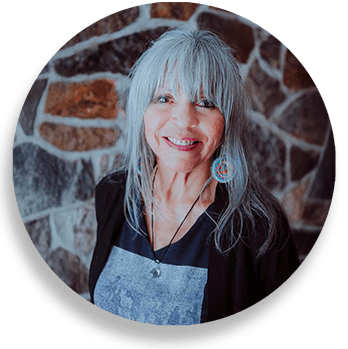
Dawn Morrison
WGIFS Founder and Vision Holder
Curator of Research and Relationships
German Ocampo
German has supported local and international community-based projects, gaining expertise in project management, strategic communication, and community organizing. His professional experience spans multiple roles, including Campaigner, Community-Based Researcher and Communications Director.
Growing up in Colombia, German witnessed social and environmental injustices that sparked his deep commitment to sustainability and social equity. As a planner-in-training specializing in Indigenous Community Planning, German has developed a deep appreciation for the importance of culturally sensitive collaboration and long-term strategic thinking. He truly believes that to have healthy, thriving communities, we must start by having a reciprocal relationship with each other and the natural environment.
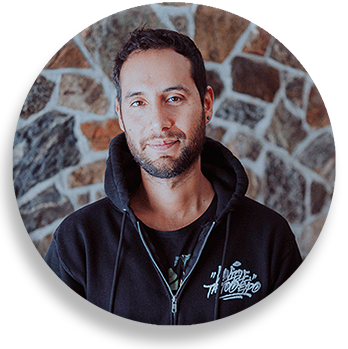
German Ocampo
Communications and Media Developer
Shawn Billy
Secwepemc-ke wel me7 yews
Shawn Billy is Secwepemc and St’at’imc, identities he carries with pride and lifelong commitment. For as long as he can remember, he has lived closely with the land—gardening, hunting, fishing, and gathering medicines and berries to help sustain his family. Through song, dance, and ceremony, he has learned and continues to honour the cultural teachings passed down through his Nations.
As a husband and father, Shawn embraces his responsibility to carry these ways forward and to teach his children the importance of living in relationship with the land and with their culture.

Shawn Billy
Youth Internship Coordinator,
Lakes Secwepemc Foodland Conservation.
Cammeo Goodyear
Cwelcwelt kuc 'We are Well'
Garden Manager
Research
Larissa Santos
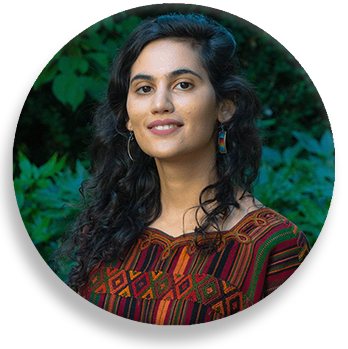
With a background in Geography (MA, UBC), Larissa has worked across Canada, Mexico, and Guatemala in research and community engagement initiatives focused on Indigenous energy sovereignty, food systems, and climate justice. Fluent in Portuguese, Spanish, and English, and with a conversational level of French, she brings a multilingual and relational approach to cross-regional solidarity.
Her strengths lie in operationalizing visionary frameworks—such as the “From the Ground Up” toolkit and Indigenous Third Eye Seeing (ITES) methodology—into practical, well-managed programs that honour Indigenous leadership and intergenerational knowledge sharing.
Larissa Santos
Project Manager
Ricardo Segovia
Ricardo Segovia was born in El Salvador and grew up in the Coast Salish territories of British Columbia. He studied environmental engineering at the University of British Columbia, environmental science at Montana State University, and is completing a PhD in Indigenous studies at The University of Victoria. Ricardo has worked directly for Indigenous communities from the Amazon to Northern British Columbia for the past 12 years. His research focuses on the multi-dimensional and complex nature of Indigenous land-based cosmologies and cultural reaffirmation and he is currently a workshop facilitator and researcher with the Working Group on Indigenous Food Sovereignty.

Ricardo Segovia
Research Associate
Dana James
Dana is a settler environmental social scientist who uses community-engaged and participatory action research approaches to advance agroecology, food sovereignty, conservation, and climate justice. She has experience working with communities across North and South America in support of place-based sustainable development. Dana holds a PhD from UBC's Institute for Resources, Environment and Sustainability and has collaborated with the WGIFS since 2020.

Dana James
Research Associate
Advisors
Janice Dick Billy
Dr. Janice Dick Billy is a Secwépemc educator, community leader, activist, traditional harvester, mentor, gardener, and a Secwépemc culture and language teacher.
Janice introduces works with Wumec r Cqweqweluten-kt Society, an organization dedicated to promoting the revitalization of Secwepemctsin through intergenerational learning.

Janice Dick Billy
Advisor, Secwepemc Language Teacher, Community Leader, Traditional Harvester
Hannah Wittman
Hannah is a Professor in the Faculty of Land and Food Systems at the University of British Columbia, Canada, and is actively involved in the Centre for Sustainable Food Systems at UBC Farm, the UBC Centre for Climate Justice, and the Institute for Resources, Environment and Sustainability.
She conducts community-based and participatory action research related to food sovereignty, agroecological transitions, and open-source digital tools for agroecological management in diverse global contexts.

Hannah Wittman
Advisor, Faculty of Land and Food Systems at UBC
Key Principles of Indigenous Food Sovereignty
The principles of IFS are intended to guide the journey of understanding how IFS is expressed in the fourth world reality. They have repeatedly emerged in transcultural dialogue that transcends the linguistic and cultural differences. The principles promote and apply key values, visions and interventions that are shared among Indigenous Peoples worldwide.
Sacred trusts
Food is a sacred trust given by the Creator who placed us on our lands and gave us our original instructions (natural laws). IFS is a sacred responsibility to uphold healthy functioning interdependent relationships to our ancestral lands/waters, cultures, languages, spirituality and present and future generations.
Participatory Action
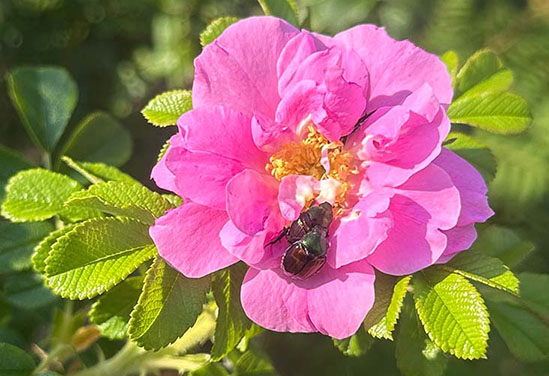
The day-to-day practice of applying subsistence harvesting and cultivation strategies, and techniques. Participation is integral to the conservation of the complex systems of Indigenous biocultural heritage.

Self-Determination
The ability to respond to our basic needs for healthy, culturally appropriate ancestral foods. It includes the ability to make decisions over the amount and quality of food we hunt, fish, gather, grow, eat and share. Freedom from reliance on grocery stores or corporately controlled food production, distribution and consumption in industrialized economies and societies.

Creating Ethical Spaces of Engagement
Truth and reconciliation cannot be achieved within the same frameworks for settler colonial policy, planning and governance designed to dispossess Indigenous subsistence hunters, fishers, farmers and gatherers. IFS calls for reconceptualizing and implementing a new accountability framework to transform and repair harm and dismantle white supremacy in the land and food system.

We have four main projects
We call on everyone to participate, and work to strengthen
grassroots initiatives fighting for systemic change
“From the Ground Up” Toolkit
The toolkit offers guidance on creating ethical spaces of engagement at the intersection of Indigenous food sovereignty and settler colonial policy, planning, and governance.
The Wild Salmon Caravan
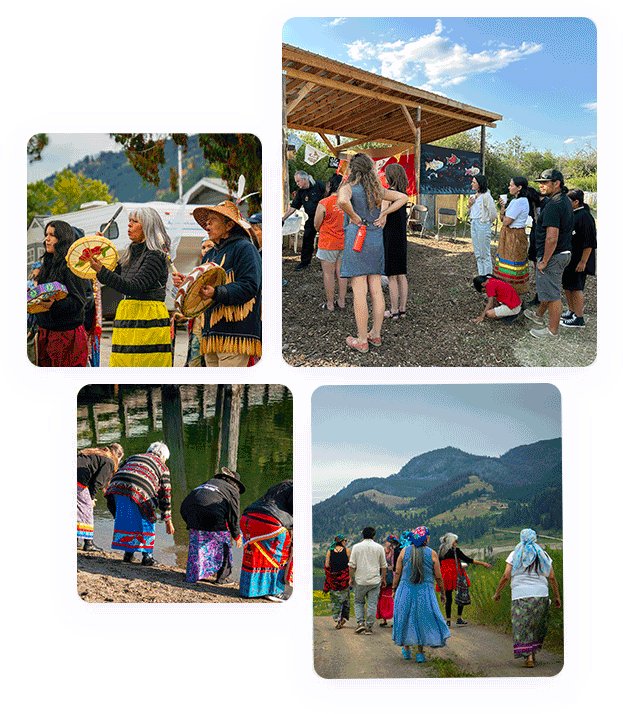
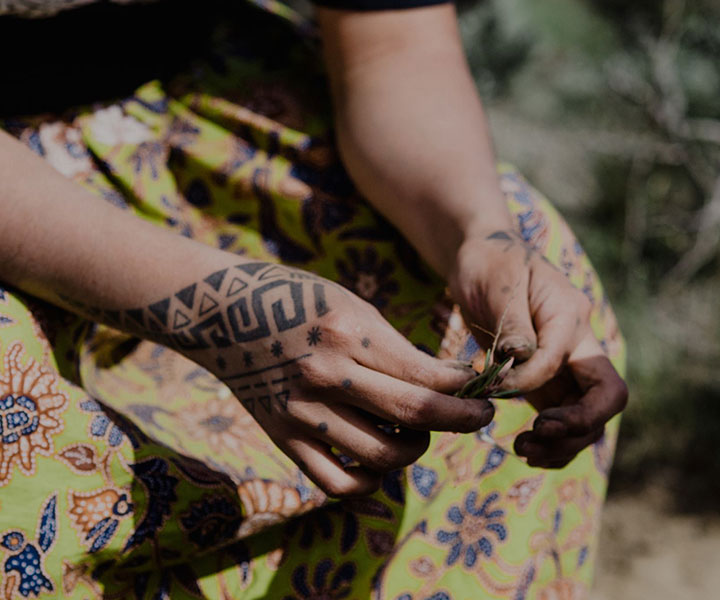
We celebrate through arts and culture while raising awareness of the important role that Indigenous Peoples play in its conservation.

Indigenous Food and Freedom School
Building on the concept of Freedom Schools, the IFFS develops and shares teachings needed for emancipatory action in relation to food.

Cwelcwelt kuc `We are Well` Garden
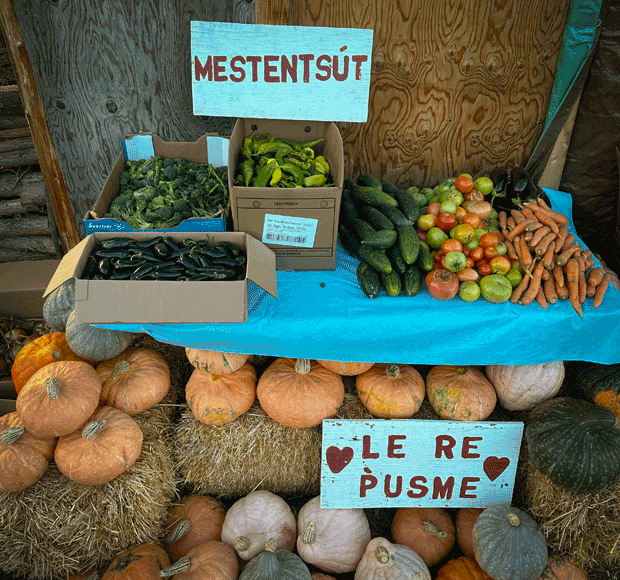
Focused on protecting, conserving, and restoring traditional foodlands while supporting land-based healing, education, and food sovereignty.